| Metric | Value |
|---|---|
| Nominal Voltage | 3.83 V |
| Capacity | 20.8 Ah |
| Weight | 0.162 kg |
| Specific Energy | 491 Wh/kg |
| Max Peak Discharge Rate (30s) | 9 C |
| Max Continuous Discharge Rate | 6 C |
| Operating Temperature | -20° to 72° C |
| Dimensions | 12 x 12 cm |
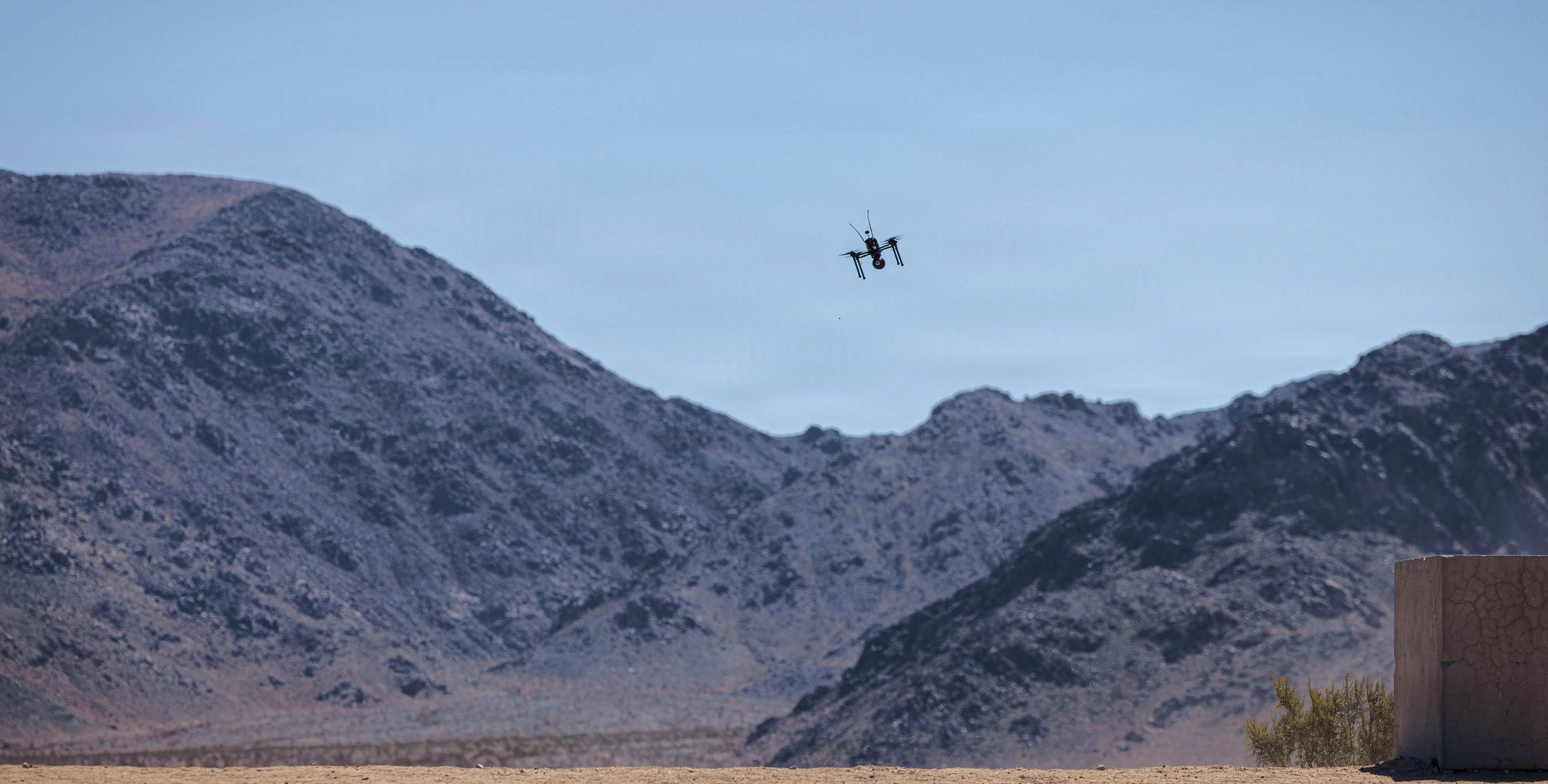
Licerion® Primary Battery
Platform for Defense UAVs
Licerion® lithium metal anode technology delivers twice the energy density of leading lithium-ion technology. Packed with power, Licerion® enables greater range, endurance, and payload capacity, putting more missions within reach.
See our latest battery pack
flight test in action
Licerion® Strike™ Cell
Designed for one-way attack missions, the Licerion® Strike™ cell maximizes energy for extended flight time, delivering up to 500 Wh/kg versus roughly 250–300 Wh/kg for leading lithium-ion cells. Tested across temperatures from −20°C to 72°C, it also supports limited recharging if needed.
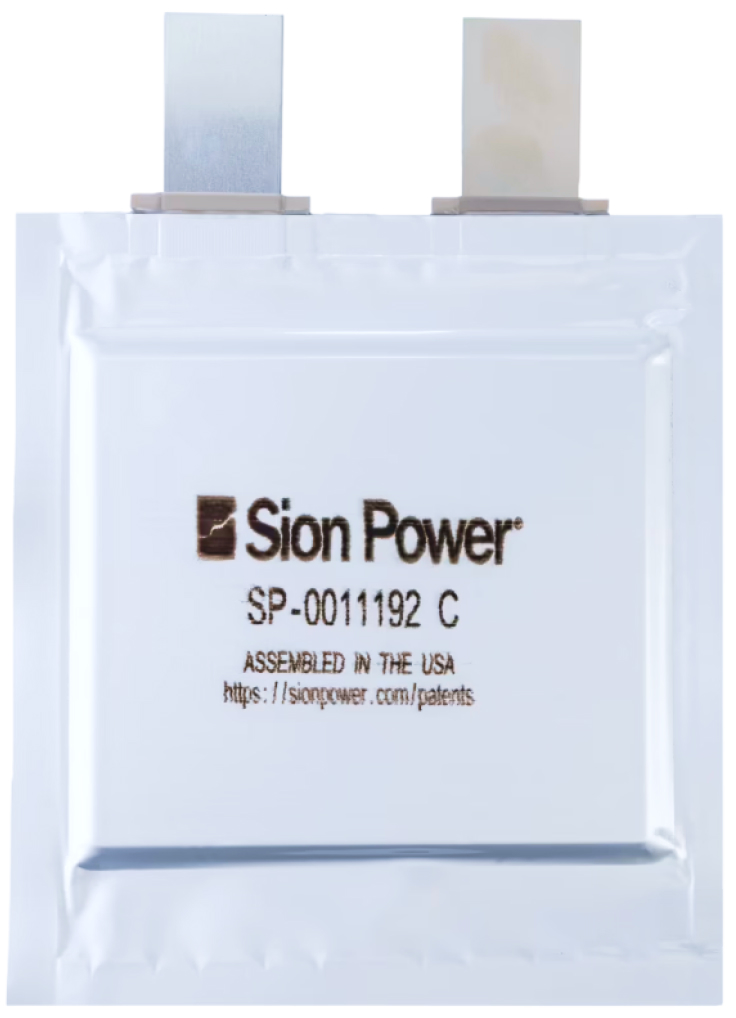
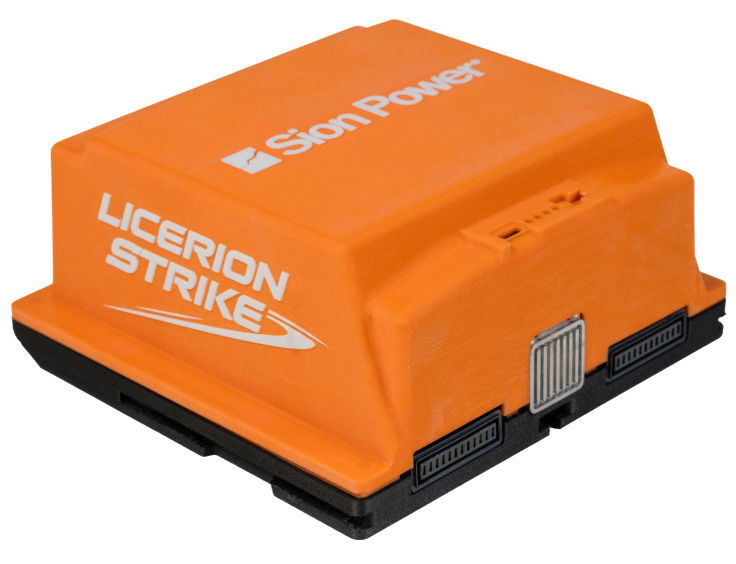
Achieves Double the Flight Time In Testing
In head-to-head testing on a commercial Freefly Systems Astro Max drone, one Licerion® Strike™ demonstration pack, which includes the Licerion Strike™ cells, replaced two conventional SL8-Air lithium-ion packs and extended flight time from 33 to 60 minutes.
With over 50% more onboard energy, the pack demonstrated the significant gains of a higher energy and lower weight solution and change what a drone can do.
| Metric | 2x SL8-Air | Licerion Strike™ Pack | Difference |
|---|---|---|---|
| Energy | 314 Wh | 474 Wh | +51% |
| Weight | 2.1 kg | 1.5 kg | −29% |
| Specific Energy | 151 Wh/kg | 314 Wh/kg | +108% |
| Peak Power Capability | 120 A | 200 A | +67% |
| Orbit Duration | 33 min | 60 min | +82% |
| 2 kg Payload Flight Duration | 19 min | 37 min | +94% |
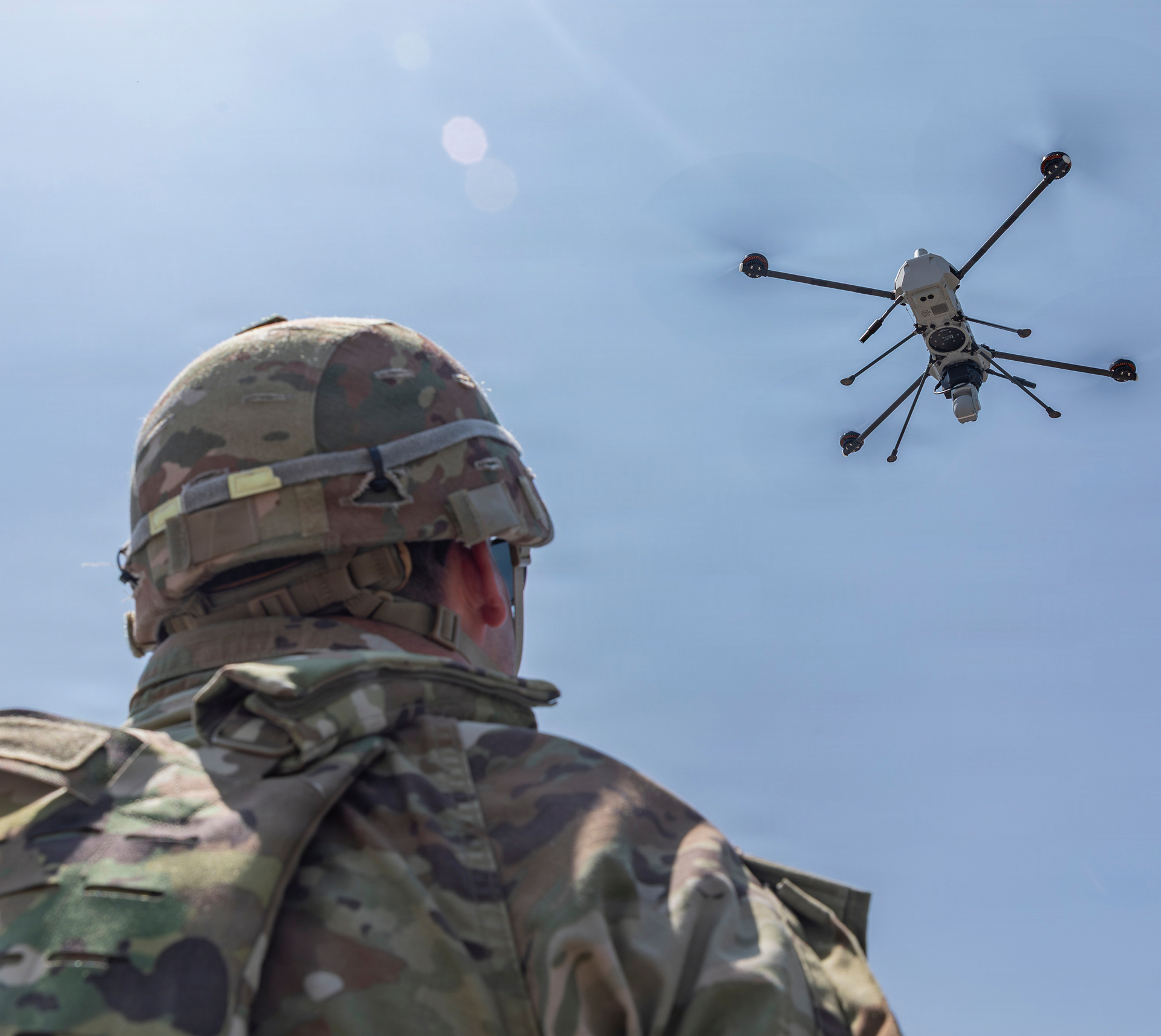
Brings More Missions Within Reach
Based on the findings of the flight test, for a target 15 minutes away, a drone powered by the baseline SL8-Air packs can only spend three minutes on target.
A drone powered by a Licerion Strike™ pack can spend 30 minutes loitering on target, enabling greater surveillance and intelligence.
With longer flight time, the drone can also pursue missions previously out of reach or place the pilot and launch site further out of harm’s way.
Applications
High-energy, lightweight cells built to support demanding mission profiles and the next generation of unmanned systems.
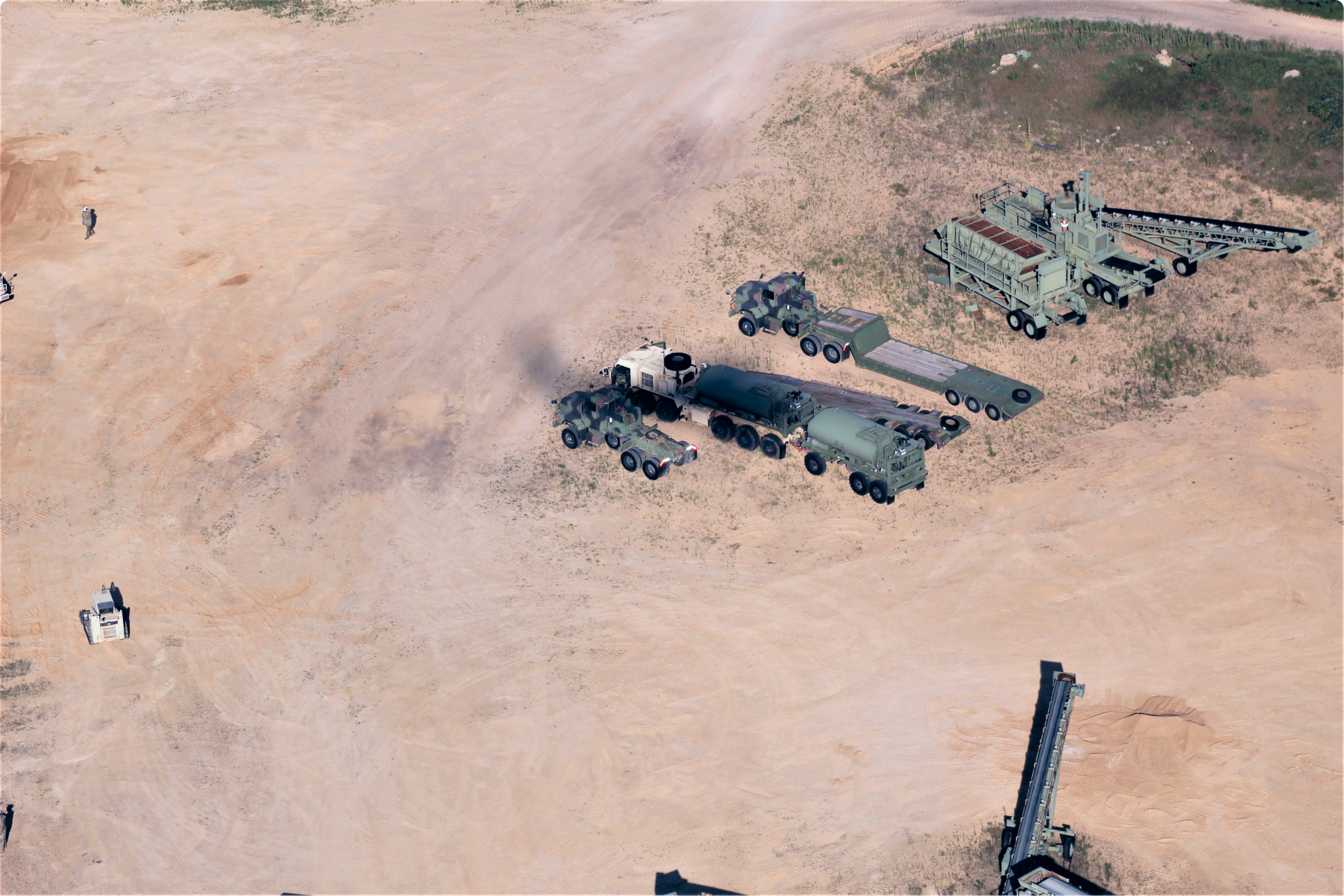
Long-Endurance ISR
Extends mission duration for persistent observation and data collection over long periods of time.
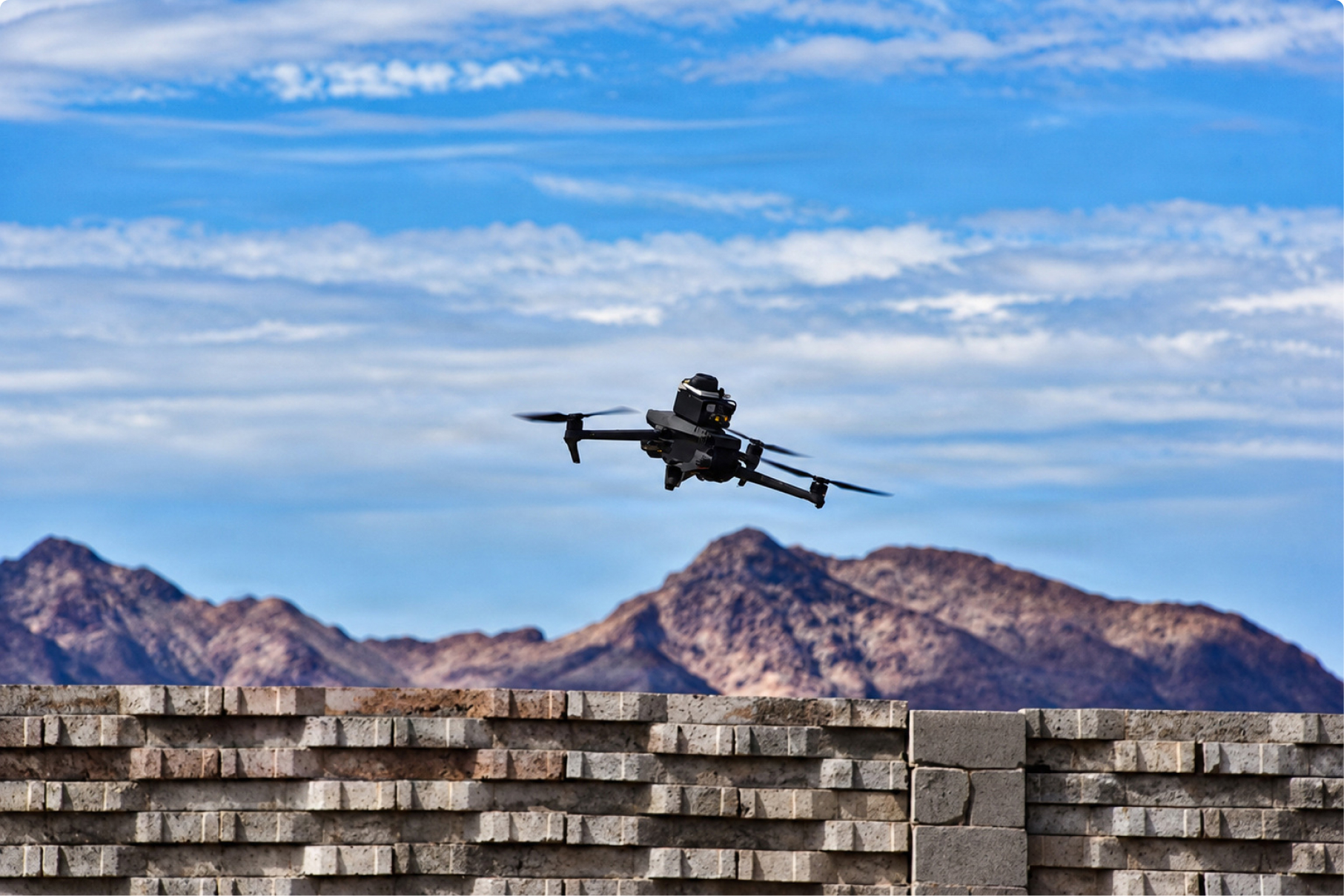
Tactical Strike & Reconnaissance
Increases ability to rapidly reach objectives, assess threats, and act decisively.
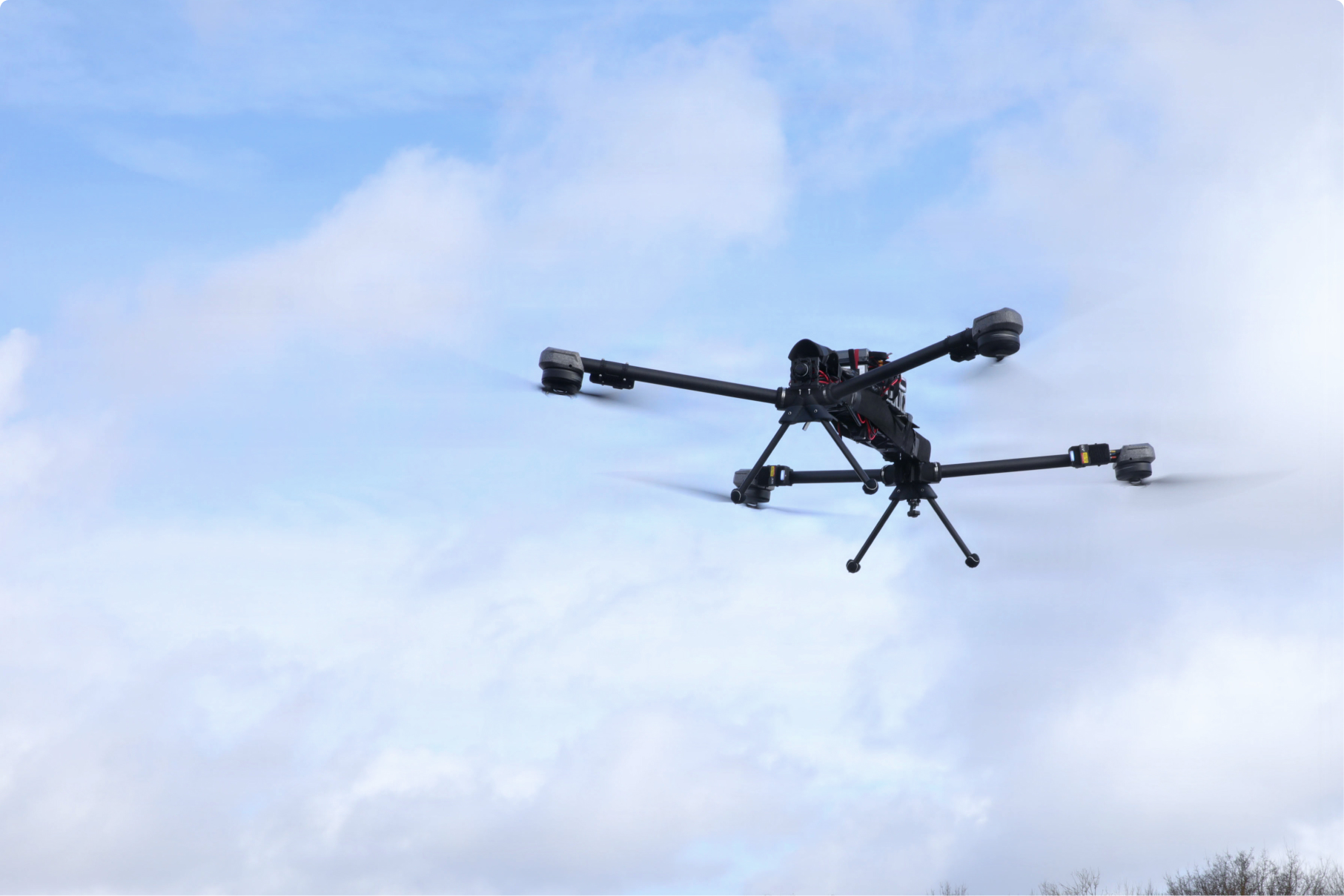
Logistics & Resupply
Facilitate efficient delivery of vital supplies and equipment to forward operating bases, reducing logistical footprints and increasing operational flexibility.
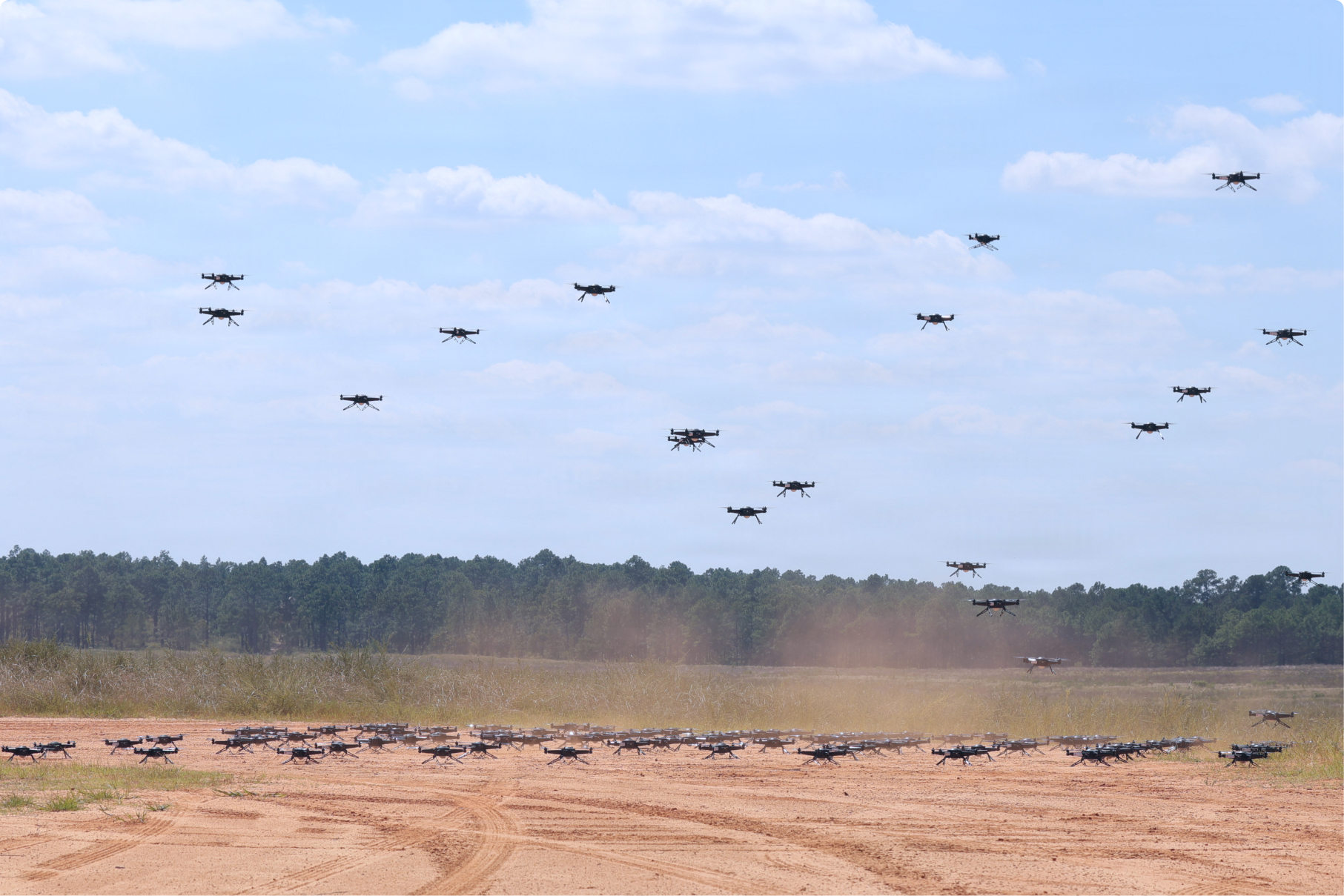
Advanced Swarm Operations
Provides the high-energy density required for complex, synchronized autonomous missions.
U.S. Manufactured
Backed by more than 430 issued patents and pending patent applications, we manufacture our advanced solutions in Tucson, Arizona and are shipping cells to customers.
The Science Behind
Licerion® for Defense
A conversation with Sion Power’s CEO and President, Tracy Kelley.

Tracy Kelley
CEO and President
Lithium-ion has hit a practical energy ceiling of around 300–350 Wh/kg, even with the latest silicon anode enhancements.
That ceiling directly constrains what unmanned systems can do. Every gram of battery weight is a gram that can’t be payload, sensor, or fuel. For a drone designed for long-range surveillance or as a loitering munition, the battery determines how far it can fly, how long it can stay on target, and how much it can carry. Modern defense platforms increasingly demand longer endurance, greater maneuverability, and higher payload capacity — and lithium-ion simply can’t deliver the step-change in energy density those requirements need.
The difference comes down to the anode. Lithium-ion uses a graphite anode — graphite is a heavy host material that stores lithium ions but adds weight without contributing energy. Lithium-metal replaces graphite with a metallic lithium anode.
Lithium metal stores far more energy per unit of weight, which is why our Licerion® cells reach energy densities exceeding 500 Wh/kg, compared to roughly 300–350 Wh/kg for today’s best lithium-ion. That gap of up to 200 Wh/kg is the difference between a two-hour mission and a five-hour mission, or between carrying a small sensor payload and a meaningful one.
The core challenge is that metallic lithium is chemically aggressive.
During charge and discharge cycles, it tends to form dendrites – tiny, needle-like structures that can grow across the cell and cause failures or safety issues. It also reacts with the electrolyte, degrading performance over time.
Sion Power has spent over a decade solving these materials science problems: developing electrolyte formulations, protective coatings, and cell architectures that make lithium-metal reliable, manufacturable and certifiable. That work is what separates a promising lab result from a product you can actually integrate into a defense program.
Strike is built for high-power applications: loitering munitions, tube-launched ISR assets, and high-speed reconnaissance drones. It supports a 6C continuous discharge rate, which means it delivers very high power very quickly without thermal derating — critical for aggressive maneuvering or a high-power terminal phase. Strike cells are available for purchase and already shipping.
It means a platform designed around Licerion® cells can loiter, fly, or operate significantly longer on the same battery weight — or carry the same energy in a much lighter, smaller pack.
For a fixed-wing ISR drone, that might mean extending a four-hour mission to ten or twelve hours. For a loitering munition, it could mean a dramatically extended range or a longer time-on-target. For a logistics drone, it enables heavier payloads and longer delivery routes. By combining high-energy lithium-metal chemistry with advanced battery pack engineering, defense integrators can unlock two to three times increases in mission endurance, significantly extended operational range, and dramatically higher payload capacity compared with conventional lithium-ion and lithium-polymer batteries used in today’s unmanned systems.
China built its battery supply chain dominance over decades. Reducing that dependence takes sustained work, and no single chemistry addresses every vulnerability.
We eliminate graphite from the anode of our lithium-metal solutions, removing a key material dependency by design.
We manufacture our batteries entirely in the United States. Our reliance on Chinese-made materials is already limited, and we’re systematically qualifying alternative sources to strengthen supply resilience and to meet U.S. defense sourcing requirements.
The right time to engage is before you’ve locked in your battery architecture — energy density assumptions drive airframe design, payload allocation, and mission planning from the ground up.
We have proven repeatable performance in our Licerion® Strike™ demonstration pack. If you design a platform around 300 Wh/kg and then switch to 510 Wh/kg, you fundamentally change what the platform can do. With double the flight time, our technology puts more missions within reach that weren’t before. The earlier we are in the conversation, the more value we can deliver to the program.
Ready to power
your next mission?
Reach out to our technical team to explore cell testing and evaluation or to request more information.